


Children’s views of residential school vary.
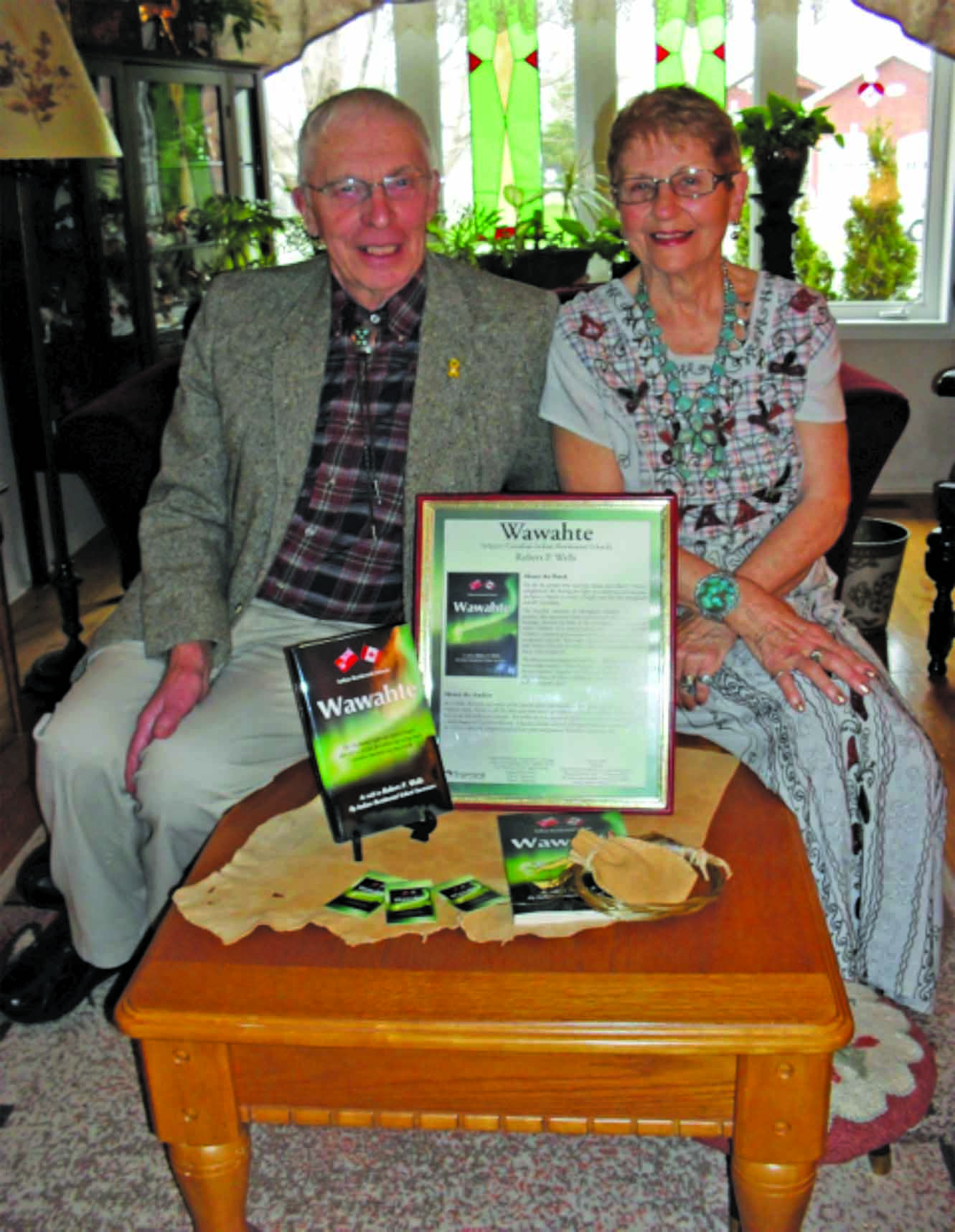
Robert P. Wells collected and published the stories of Esther Faries, Mary Elizabeth Tenniscoe, and Stanley Stevens who attended white-run schools.
Whether Wells chose the people as friends who wanted to tell their stories or to depict differences in residential schools is not known. The stories are different and activities at the schools created different responses.
All three began life on the land, listening to bird calls, learning the way of the land and water while living in harmony with family who followed seasonal activities. As Faries says, ‘The sun was our clock and nature our calendar.’
Stevens, who lived in the same community as Faries, attended an Indian day school where he was strapped six times on each hand within the first 15 minutes of the first day.
Faries and her two brothers were removed forcibly from their family to be housed at Pelican Lake Indian Residential School. On arrival she was stripped naked in front of others, her hair bobbed, and her new clothes from home were burned. That pattern worsened as the children did not know the rules and quickly knew fear of authority of the people in charge.
Tenniscoe’s mother was in hospital giving birth and her father felt he would lose the only job and income they had. He took Tenniscoe and her sister to the nuns at the McIntosh Indian Residential School to be raised as their child for the next 11 years.
The circumstances of their arrival and acceptance by the staff at the church-run schools as their children appear to have defined their treatment by the nuns and priests and potentially their life situations.
While Wells has done an excellent job recording the three stories, as part of the book he attempts to inform readers about treaties and government policies. He is misinformed in the views he presents about the ceding of lands and does not address the 60’s scoop as continued efforts by the government to erode family unity.
Wawahte: Indian Residential Schools -- Robert P. Wells (Trafford Publishing, Bloomington, IN; 2012; ISBN 978-1-4669-1717-0 (paperback), ISBN: 978-1-4669-1719-4 (hardcover), ISBN 978-1-4669-1718-7 (ebook); 173 pages; paperback $18.50 ($9.62 US for First Nations) and $28.50 ($14.82 US for First Nations))


Maachestan, the Cree word for the annual spring river ice breakup, is happening all along the James Bay coast. This is a very important time of year for...
I was proud to see First Nation youth representing our northern homelands on the international stage this past month at the United Nations. Jeronimo...