



Mushrooms keep popping up in Weagamow’s School.
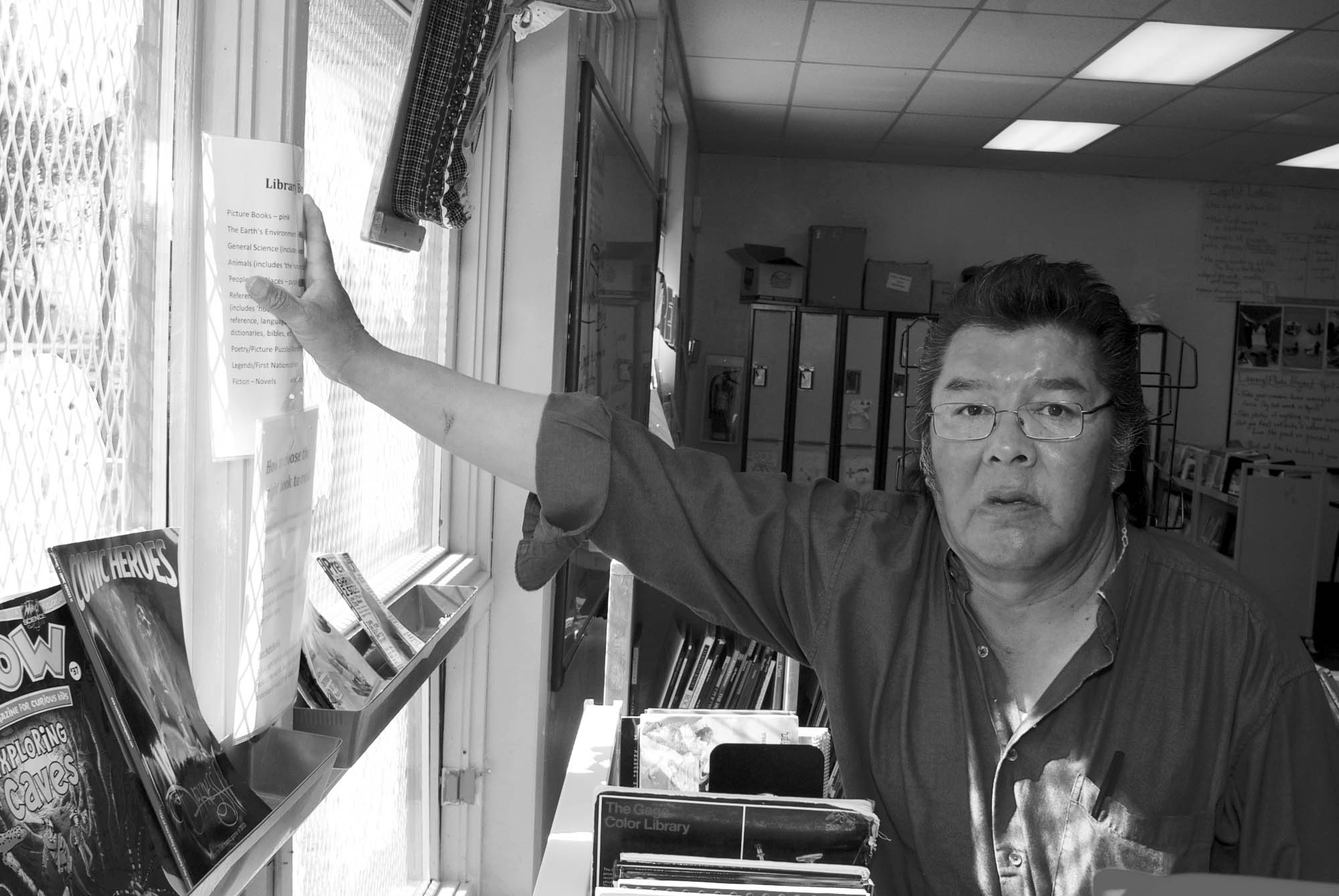
“If you look under here there are mushrooms growing,” said education director Saul Williams in a boy’s washroom. “We clean it at least once a week and they still grow again. Mushrooms.”
Although the community does a major cleanup every five years in the elementary school, including of mould growing under the floors, Williams said it is an ongoing problem in the school.
“Once a month or every two months they will clean it up,” Williams said of the mould.
After a major cleanup last summer, Williams said the community’s doctor was surprised at the low number of health issues among the 140 students attending the school.
“The doctor said, ‘What are you guys doing; there’s no earaches, there’s no throat infections,’” Williams said. “I said we cleaned the school. And he said, ‘I think that’s why.’”
Williams said a lot of students come down with illnesses during the school year.
Currently the school is closed due to a cold virus outbreak in the community.
“It just knocks you down,” said Sarah Hawley, teacher assistant in the Grade 2-3 class.
Williams said the school was not built properly when renovated in 1992-1994, as he showed off gaps in the walls and demonstrated how flimsy the walls are surrounding windows.
“One of these days it’s going to cave in,” he said. “The whole wall moves when you push it.”
Williams submitted a plan to Aboriginal Affairs and Northern Development Canada to deal with the mould and other problems in the school, but he has not receive a positive response.
“We try and do the best we can with the staffing we have,” Williams said.
AANDC did not respond to questions about the school.
Meanwhile, teachers and staff at the school continue to provide the best education they can under the circumstances.
“These are the things we are doing with the cultural program,” Williams said. “Over there you will see kids (learning) how to cook outside. And the kids go set out (fish) nets.”
Williams described how fish was used for making pemmican.
“They turned it into a powder, they dry it, they cook it and they pound it into pemmican,” Williams said. “They use that when they go hunting. They don’t have to stop and make a fire. They just eat from the bag.”
Williams said the walleye was fried and the whitefish roasted.
The skin of the jackfish (northern pike) and maria (ling) were used for socks.
“They used to carry oil in it too,” Williams said.
Williams said hunting is also part of the cultural program.
“We want our kids to learn about our land and how to use the land,” Williams said. “At the same time we want them to go out (to bigger communities) to be able to live in both worlds.”


First Nation youth representatives are letting the world know that Indigenous people are ready to stand up and protect the land. Keira Spence, Kohen...
My home community of Attawapiskat First Nation is celebrating the annual graduations of students from Kattawapiskak Elementary School and Vezina Secondary...