



Like many other First Nations people, Carla Duncan faced challenges when she began looking for housing in Thunder Bay.
“My current housing situation in Thunder Bay is bad,” Duncan, a Muskrat Dam band member and Lakehead University student said. “I had very limited choices when I moved.”
Duncan described her current residence as a two-floor home but she can only use the main floor.
“There is no circulation in the bottom floor and it is mouldy,” she said. “When I do laundry, I can’t use the dryer because there is faulty wiring.”
She is renting the unit in a private lease after being turned away from the subsidized housing program in Thunder Bay because her household income was too high to qualify.
“I can’t just move anywhere,” she said. “I need a ramp for my mom. She is a diabetic and uses a wheelchair.”
Duncan said her mom recently had part of her leg amputated. A second surgery on the other leg is also scheduled.
Finding an appropriate home has proven to be a challenge.
“I can’t leave my mom to fend for herself,” she said.
Her desire to improve her living condition led Duncan to attend the Aboriginal Housing Forum in Thunder Bay May 4 at the Prince Arthur Hotel.
Thunder Bay Urban Aboriginal Strategy Housing Action Circle hosted the forum to discuss the current housing issues facing Aboriginal people in the city, and explore recommendations to move forward.
Several reports were presented during the day-long forum. The Children’s Aid Society presented a report – based on a small study – which found there is limited suitable, affordable housing for young people.
“Youth expressed feeling discriminated against by landlords and experience long waits on subsidized housing lists,” according to the report.
Said an anonymous male study participant: “It’s hard to find someone who will accept you for housing. They judge everything – your age, what you look like, how you’re dressed.”
The study also found many youth don’t have the skills they need to maintain their housing. This includes budgeting skills, cleaning, setting up utilities and cooking.
“If it is the first time a youth has lived alone, they need support to learn the skills of what to do – even the basics – like paying rent on time and respecting neighbours,” according to a participant.
In its report, the District of Thunder Bay Social Services Administration Board provided a list of recommendations to improve the affordable housing situation in Thunder Bay.
These include balancing supply and demand for subsidized housing, improving client services and access to social housing and ensuring all residents have access to housing and support services which meet their needs.
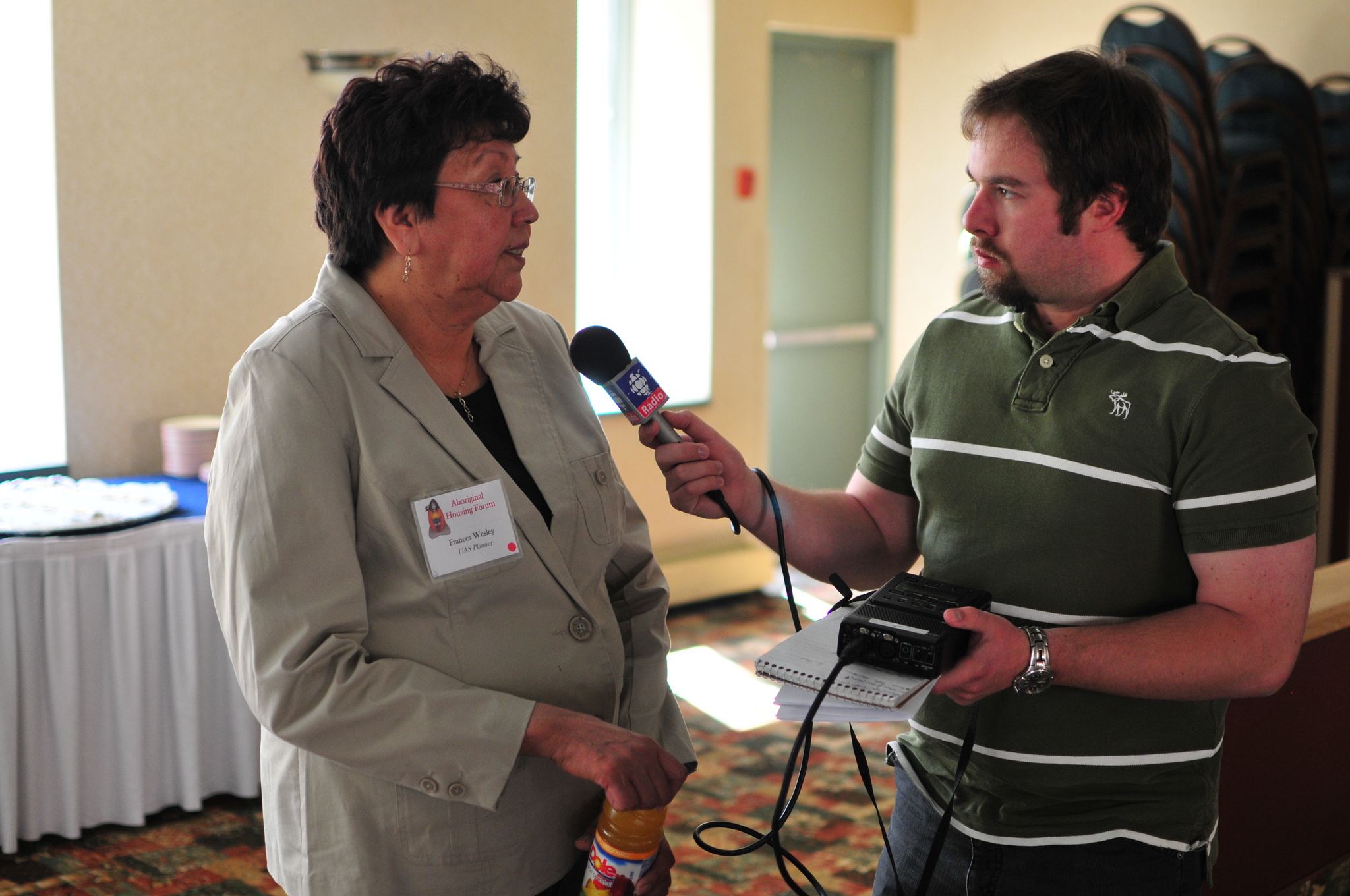
Frances Wesley, Urban Aboriginal Strategy planner, said now that the issues have been raised, it is time for improvements to be made.
“I want to see action,” she said. “We need to address the discrimination happening against young Aboriginals who are seeking their own housing. We need to look at creating emergency shelters for youth and families who don’t have a roof over their heads.”



I was happy to see my nieces and nephews in Attawapiskat taking the opportunity to learn about the traditional practice of making Nah-mesh-tek, the Cree...
Maachestan, the Cree word for the annual spring river ice breakup, is happening all along the James Bay coast. This is a very important time of year for...