



Over 270 people from across northwestern Ontario attended an addictions education awareness seminar in the Sioux Lookout Legion Hall on May 14 and 15.
The seminar, organized by the Sioux Lookout Healthy Community Task Force, included representatives from organizations working in mental health, policing and addiction services, amongst others.
Gabor Mate, author of a book on the bio-physical perspective of addiction called The Hungry Ghost, was the keynote speaker.
Mate described addiction as neither a choice nor disease. Instead, he said, addiction is a response to pain, hurt and trauma. As such, prevention of addiction must involve helping people deal with trauma.
“We have to find out what is the problem they are trying to solve, which is usually that of pain from alienation and isolation,” Mate said.
Mate spoke of the addiction issues that local First Nations people are trying to address. He noted that First Nations people make up only three per cent of the population of Canada, but 30 per cent of the jail population. He said many of his clients were from First Nation communities because they have been traumatized by the loss of traditional lands and spiritual customs through colonization, including residential schools.
Rene Boucher, a member of Lac Seul First Nation, addressed the summit on the second day as a representative of the Ontario First Nations HIV/AIDS Education Circle.
Boucher, who was diagnosed with HIV over 20 years ago, spoke of his experiences and the stigma that he had endured within the First Nations communities.
The idea for the conference came about through the efforts of Health and Addiction Units in Sioux Lookout and the Sioux Lookout council.
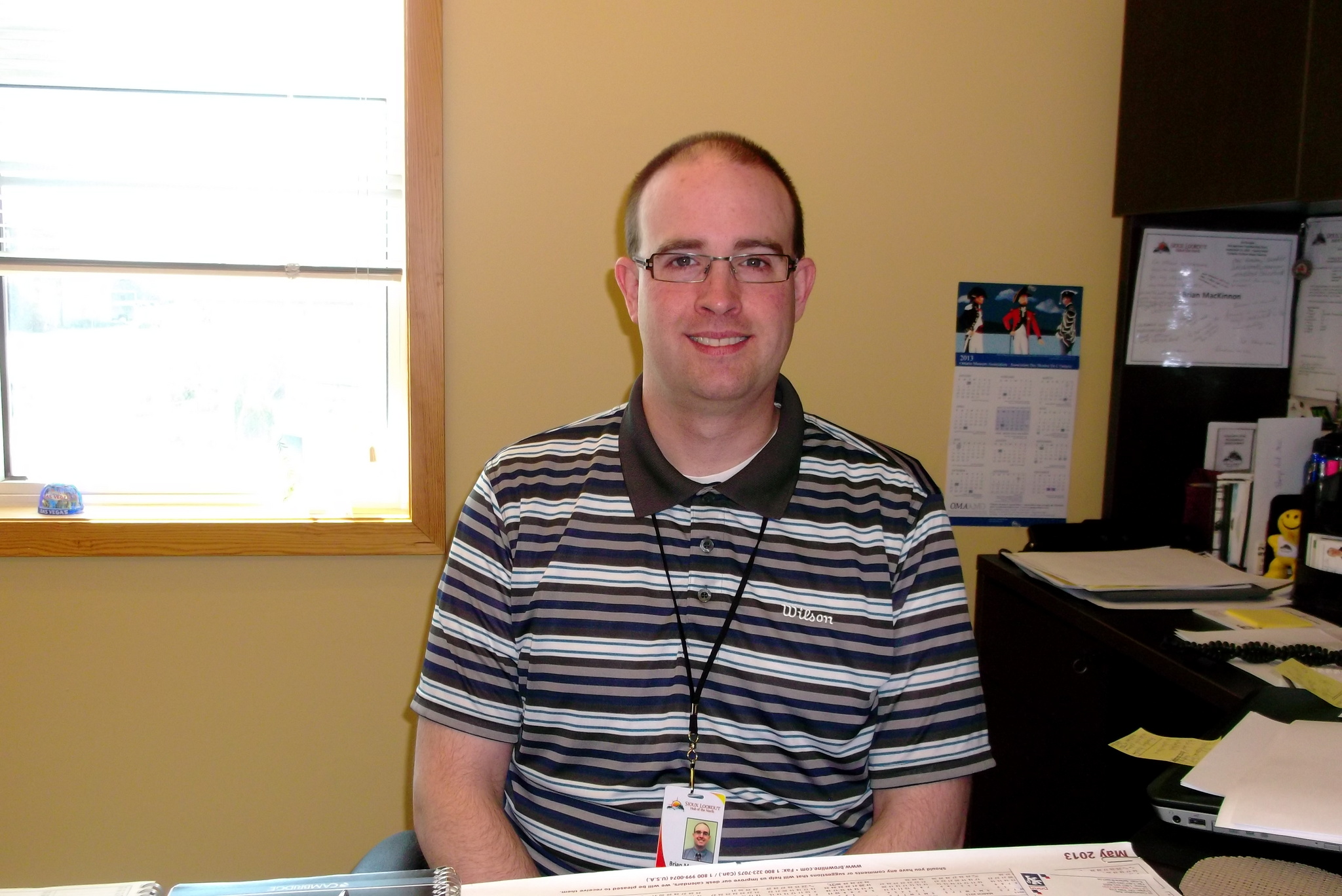
Brian McKinnon, one of the organizers of the summit, said the conference was a way to kick start the efforts of the Healthy Community Task Force.
“When the Healthy Community Task Force formed a little over a year ago, the membership had a discussion on how we could best proceed and it was identified early on that having a conference to promote educational awareness, networking and collaboration would be a really good first step to ensure that everyone was going to be working together,” McKinnon said.
McKinnon added that he hopes the participants of the conference will be prepared to “engage in a process to develop a strategy to combat some of these challenges.”
He said that the task force is looking at a strategy based on prevention, treatment, harm reduction and enforcement, including issues of housing and homelessness.
Susan Barclay, director of Sioux Lookout’s Out of the Cold Shelter and participant at the conference, said that the community is looking at promoting a mental health course and possibly an alcohol and drug course in the future.
“The conference went very well,” Barclay said. “We do know that there are gaps to be filled but we are working to be on top of it in a more compassionate and healthy way.”



This past month, I was happy to attend two Pow Wows I hadn't been to in years. I attended the Mattagami First Nation Pow Wow and the Matachewan First Nation...
I was happy to see my home community of Attawapiskat on the James Bay coast announce the opening of the new St Francis Xavier Parish Church on August 25....