



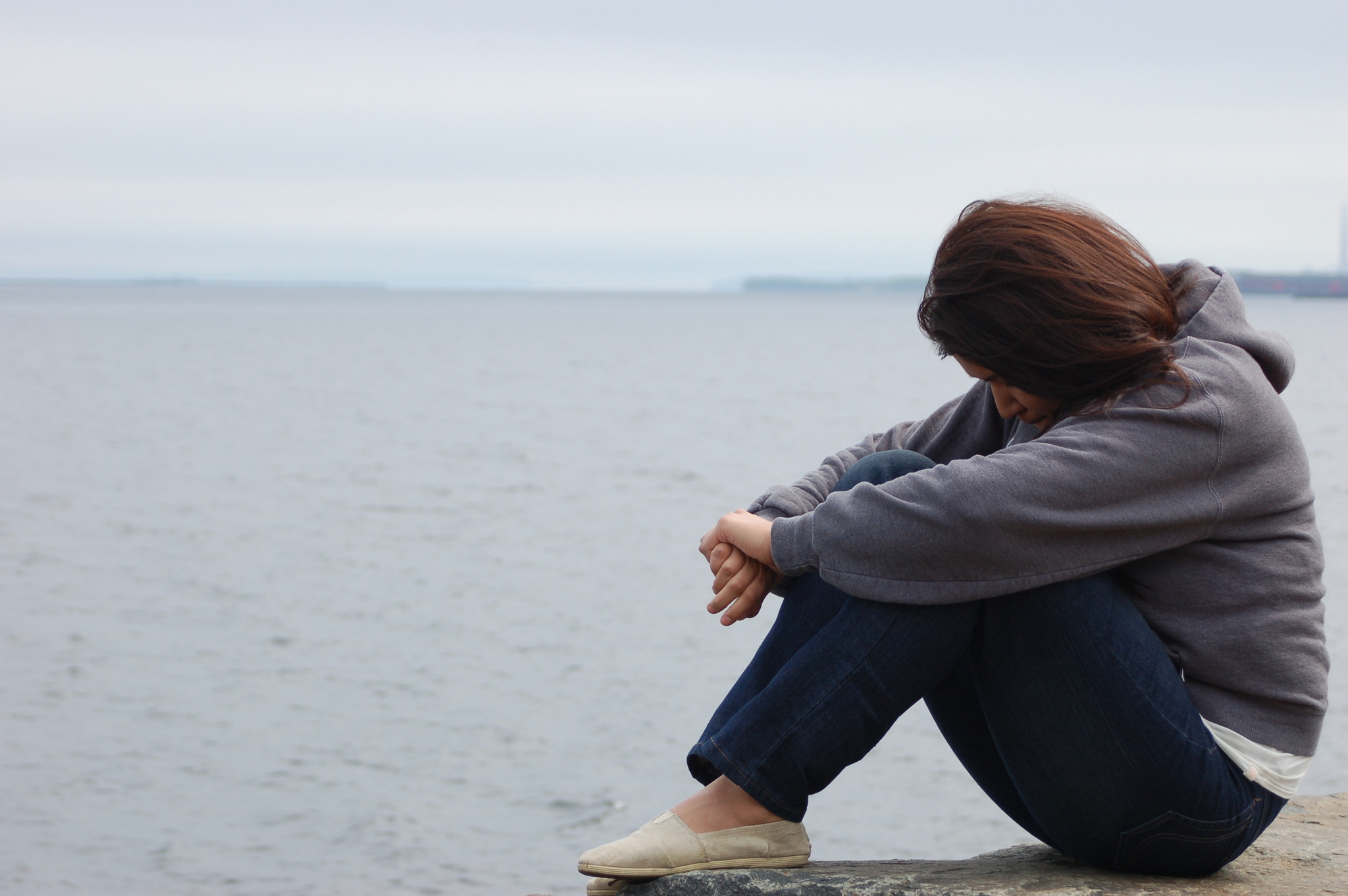
In the wake of yet another suicide-related emergency in a First Nations community, the term “suicide contagion” has emerged in the news as a growing trend amongst youth and adult Canadians.
“Suicide contagion” is something that has been evident in First Nations communities for decades. Suicide contagion occurs when one person commits suicide and another person does the same, and so forth. This chain reaction forms “cluster suicides.”
In 1998 Ronald Niezen, a Canada research chair in Anthropology of Law at McGill University, was living in the First Nations community of Cross Lake, Manitoba doing research for a separate project when the community experienced a suicide crisis.
He wrote a chapter about the experience in a book called Healing Traditions: The Mental Health of Aboriginal Peoples in Canada.
“I didn’t go there thinking I was going to do suicide research at all,” Niezen told Wawatay.
In a community of 3,500, the first couple of suicides were not too noticeable until several completed suicides and even more attempts took place. I realized that there was a serious problem.”
Niezen, who has visited some northern Ontario communities such as Wunnumin Lake, Moose Factory, Moosonee, and Pikangikum, was already aware of the high incidence of suicide amongst First Nations people before his visit to Cross Lake. “It was hard to avoid, young people brought it up, and older people brought it up. Everyone had a different opinion on it,” Niezen explained.
He said that understanding suicide contagion has to do with the way you understand suicide.
“A person who is suicidal thinks that they are alone in the world, that they are the only ones who have these feelings. Life really has no purpose or meaning, and they act on it sometimes.”
“When we recognize the power of ideas on motivating people’s suicidal behaviour, that really changes the way you want to approach suicide intervention. The very worst thing you can do is to give other young people in the community the idea that suicide is a way to a sort of immortality,” Niezen said.
Roma Fisher, a pastor and post-secondary educator, said that there are a lot of opinions on cluster suicides, but “nobody has a real corner on it to say why this is happening with confidence.”
“The professionals are saying that we need to get the spiritual component back to our people,” Fisher said. “People aren’t just physical and mental beings, they’re also spiritual.
We are spiritual in nature. We come from the perspective that everything is life, that God exists and there is a Creator.”
“I think our kids aren’t getting that, they’re not seeing that side that our Elders had, that there are consequences,” Fisher said.
“It’s probably not something that we talk about every day, but there are forces that cause people to think funny,” Fisher said.
He recalled a time he helped a woman in a northern community overcome her unrelenting desire to take her own life.
“She testified to me that after the spirit went, she had such peace and was able to enjoy life in a better way,” Fisher said. “There are spiritual forces that are destroying our people.”
Fisher added that because people can be influenced so easily, for good or bad, even saying the wrong thing to a young person while they are grieving the loss of a loved one to suicide can have negative impacts.
“Things like only the good die young? That’s planting seeds into people,” Fisher said. “They could be well-meaning when they say it but it’s destroying the fabric of people’s health mentally.”
Niezen, too, feels that the “easy-going sayings” about self-inflicted death are not OK. “It just becomes an accepted way of talking. Some suicide interventionists would say, hey come on. That is not OK!”
Teresa Magiskan, traditional healing coordinator at Anishanwbe Mushkiki in Thunder Bay, works with people for different mental health issues including depression and suicide. With youth, she sees a general depression and loneliness – with feelings of grief and sadness being a big contributor.
“Our traditional healing program addresses a lot of depression and grief,” Magiskan explained. “They come here to connect with other youth and when they need to talk.”
Magiskan is involved in a youth suicide prevention team that consists of people from different Aboriginal organizations. The team went into schools a couple of years ago to speak with youth about suicide and asked the youth what they would like to see done.
“What they said they wanted was a place for them so they could interact with each other, where culture would be taught and they could be comfortable,” Magiskan said. She applauded the recently opened multicultural youth drop-in center in Thunder Bay, but feels that the youth would like something more specific to them and their own distinct culture.
She also feels that there needs to be more services and options available for youth who are from isolated communities.
“Talking to the youth helps, we have to listen to them,” Magiskan said. “Sometimes we as adults think we have all the answers and the solutions, but it is the youth who do. They know what they want, what they feel. We need to be listening to them instead of telling them what they need.”
“The seriousness of suicide needs to be brought forward,” she added. “We need to be very cognizant in recognizing changes in the behaviour of people, especially in those who have experienced suicide around them.”
Magiskan explained that the youth are often the first to know when one of their friends is suicidal.
“We should be training the youth to know how to talk to their friends when they confide in them about suicide,” she said. “Imagine how good they would feel to be that empowered? To know that they can help, that someone.”
Both Niezen and Fisher agree that in order to help combat suicide in communities, people need to feel that they have a purpose and a reason to keep moving forward in life.
“We need more people to inspire and instill hope in others,” Fisher said. “We put people’s lights out all the time by telling them they can’t make it.”
Signs and symptoms of someone who may be suicidal
Most people who are thinking about suicide want help. They don’t want to die, or at least some part of their spirit doesn’t. Be aware of signs and symptoms of suicide.
Some examples may be:
Threatens suicide, talks of wanting to die
Mood changes, mood swings
Feelings of depression, sadness, anger, grief
Poor hygiene
Withdrawn from others, spending a lot of time alone, pushing others away
Withdrawing from participating in cultural and spiritual events/activities
Lack of interest in things that they used to have interest in
Giving things away
Increased use of alcohol and/or drugs
Experienced loss
Suicide of family member or friend
Self-harm, deliberately hurting themselves
Saying their “good-byes” in subtle ways
Warning signs compiled by Melanie Tibishkogijig




This past month, I was happy to attend two Pow Wows I hadn't been to in years. I attended the Mattagami First Nation Pow Wow and the Matachewan First Nation...
I was happy to see my home community of Attawapiskat on the James Bay coast announce the opening of the new St Francis Xavier Parish Church on August 25....